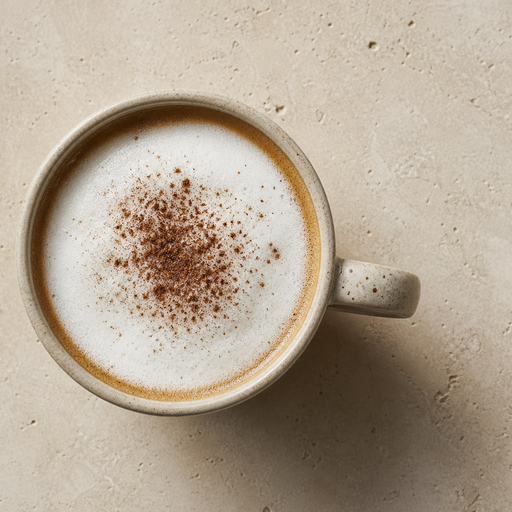
Espresso coffee guide · Reviewed July 2026
Espresso
A compact, pressure-brewed coffee served with a layer of crema.
Espresso is a brewing method and a compact drink, not a bean variety or a guarantee of a particular roast. This guide explains what Espressois, how it is usually made, what it tastes like, and how to compare it with neighboring coffee drinks without treating a café convention as a universal formula.
- Family
- Espresso
- Coffee base
- Pressure-brewed coffee
- Served
- Hot
- Best for
- Concentrated coffee flavor
Definition first
What is Espresso?
Espresso is a compact, pressure-brewed coffee served with a layer of crema. A typical build is a compact extraction with crema, using pressure-brewed coffee as the coffee base. It is hot and is commonly chosen for concentrated coffee flavor.
Espresso is a brewing method and a compact drink, not a bean variety or a guarantee of a particular roast. The stable definition comes from the base method and expected structure. Cup size, shot count, milk, sweetness, and toppings can still vary, so two cafés can serve recognizably different versions without changing the menu name.
Its intense flavor is often mistaken for the highest total caffeine, even though a larger brewed coffee can contain more overall. CoffeeVS resolves that confusion by comparing the features that affect the cup instead of relying on name recognition alone. The goal is a useful ordering model, not a claim that one historic or regional recipe is the only valid interpretation.
Aliases include single espresso. An alias points to this same reviewed entity rather than creating a duplicate guide. Brand-specific drinks require a separate version and source when their recipe materially differs from the generic convention.
At a glance
Espresso taste, milk, foam, caffeine, and calories
These descriptions summarize the usual direction of the drink. They are more reliable than false precision because each one names the variable that can change at the café.
Concentrated
A small serving carries intense aroma, body, and roast character.
None
Straight espresso contains no milk by default.
Crema only
Crema comes from extraction rather than aerated milk.
Dose-dependent
Dose and shot count matter more than perceived intensity.
Minimal by default
Straight espresso contributes little without additions.
Flavor and texture
What does Espresso taste like?
Coffee character
Concentrated. A small serving carries intense aroma, body, and roast character. Bean origin, roast, grinder, extraction, and temperature can move the flavor beyond this typical description.
Milk structure
None. Straight espresso contains no milk by default. Milk also contributes sweetness and body, so volume and dairy choice affect more than color.
Surface and finish
Crema only. Crema comes from extraction rather than aerated milk. The finish controls aroma release and whether the drink feels airy, silky, creamy, or direct.
Typical preparation
How is Espresso made?
Pressure moves hot water through a fine coffee bed, creating a concentrated extraction with aroma, body, and crema. The following sequence describes the common logic of the drink, while equipment, ratios, and service details remain open to the café.
01
Start with the base
Pressure-brewed coffee establishes the brewing method and the coffee character the rest of the recipe will support or soften.
02
Build the drink
A compact extraction with crema. Order and technique matter because they change integration, layering, dilution, and temperature.
03
Create the texture
Straight espresso contains no milk by default. Crema comes from extraction rather than aerated milk. These are structural expectations, not mandatory decoration.
04
Serve and verify
Hot. Confirm size, coffee dose, milk, sweetener, and toppings when exact caffeine or nutrition matters.
Caffeine
How much caffeine is in Espresso?
Dose-dependent is the accurate starting point. Dose and shot count matter more than perceived intensity. Coffee dose, bean, extraction, shot count, concentrate dilution, and serving size can all change the result. Use the café's recipe or published nutrition data when you need a number for a specific order.
Calories
How many calories are in Espresso?
Minimal by default is more useful than a universal total. Straight espresso contributes little without additions. Milk type, portion, chocolate, syrup, cream, and toppings can transform the served drink. Compare the exact size and recipe rather than assuming every Espresso shares one nutrition profile.
Ordering guidance
When should you order Espresso?
Choose it for
Choose espresso when you want to taste the coffee directly in a short serving without milk or added water. In the catalog, the concise best-for note is concentrated coffee flavor. That is a preference-based recommendation, not a claim that the drink wins every comparison.
Clarify the recipe
Its intense flavor is often mistaken for the highest total caffeine, even though a larger brewed coffee can contain more overall. Ask about the cup size, number of shots, milk, sweetness, and toppings whenever the menu leaves the version unclear or when a dietary requirement depends on the answer.
Café variables
Common Espresso variations
A variation should preserve the recognizable idea of Espresso while clearly naming what the café changed. These three choices explain most differences between menus.
When comparing variations, return to the standard a compact extraction with crema build. That reference makes it clear whether a menu option changes coffee dose, dilution, dairy, temperature, sweetness, or only the final presentation. It also prevents an optional flavored version from replacing the meaning of the base drink. Keep the named change visible so readers can compare the same drink fairly across menus, temperatures, and serving sizes.
Size and coffee dose
A larger cup can add water, milk, ice, or more coffee. Those choices do not have the same effect. Ask whether the Espresso changes shot count or coffee dose across sizes before using size as a shortcut for flavor strength or caffeine.
Milk and temperature
The usual milk context is none. Straight espresso contains no milk by default. Dairy choice, plant milk, steaming, cold service, and ice can change sweetness, body, foam stability, allergens, and calories without changing the menu's primary drink name.
Flavor and finishing
Syrup, chocolate, spices, cream, cold foam, or toppings can turn a restrained recipe into a sweeter specialty drink. Treat those as explicit additions. They may dominate taste and nutrition, but they do not replace the need to identify the underlying pressure-brewed coffee base.
Compare Espresso
Direct comparisons reveal which differences belong to this drink and which come from the other recipe, serving, or milk structure.
Similar coffee drinks
These drinks share the espresso family but differ in preparation, proportion, or texture. Read the entity guide before assuming they are interchangeable.
Questions, answered
Espresso questions
Clear answers about the definition, taste, milk, foam, caffeine, and calories of a typical Espresso.
What is Espresso?
Espresso is a compact, pressure-brewed coffee served with a layer of crema. Its usual base is pressure-brewed coffee, and a common café build is a compact extraction with crema. The name describes a familiar preparation, while the exact cup size and recipe remain café-specific.
What does Espresso taste like?
Concentrated is the useful shorthand. A small serving carries intense aroma, body, and roast character. Beans, roast, extraction, serving temperature, and optional additions can move the flavor in another direction, so the drink name alone cannot predict every cup.
Does Espresso contain milk or foam?
None describes the usual milk context: Straight espresso contains no milk by default. For foam, the typical expectation is crema only. Crema comes from extraction rather than aerated milk. Always check the specific recipe for allergies or dietary requirements.
How much caffeine is in Espresso?
Dose-dependent is more accurate than one universal number. Dose and shot count matter more than perceived intensity. Coffee dose, bean, extraction, concentrate dilution, and serving size can all matter. Use the café's published information when you need an exact estimate.
Is Espresso high in calories?
Minimal by default is the responsible comparison. Straight espresso contributes little without additions. Black coffee contributes little by itself, while dairy, plant milk, chocolate, syrups, cream, and toppings can change the final drink substantially.