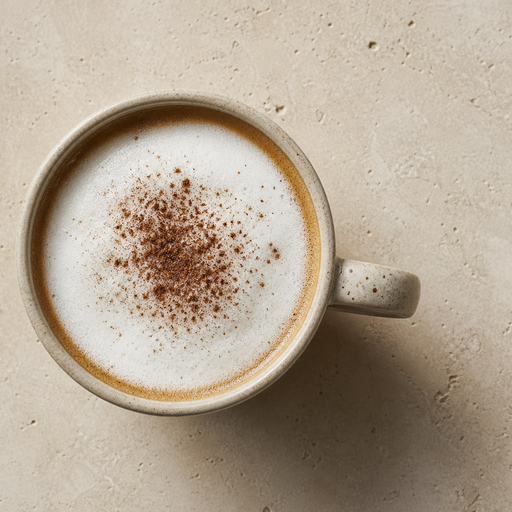
Reviewed coffee comparison · Updated July 2026
Macchiato vs Latte: What's the difference?
A traditional macchiato is espresso with only a mark of milk; a latte is a much larger, milk-forward drink.
This macchiato vs latte guide compares the typical café versions first, then explains the recipe variables that can change taste, texture, caffeine, calories, and serving size at a particular shop.
Choose Macchiato if
you want espresso intensity with minimal milk.
Choose Latte if
you want a mild and creamy drink.
Side-by-side guide
Macchiato vs Latte
Compare typical café recipes. Exact ingredients, shot counts, and serving sizes still vary by shop.
Intense
Espresso leads, with just enough dairy to soften the edge.
Mild and creamy
More milk softens the espresso and creates a rounder sip.
Very little
Only a small mark of milk or foam is typically added.
Milk-forward
Uses more steamed milk than a cappuccino in a typical recipe.
Small dollop
Foam accents the espresso instead of filling the cup.
Thin microfoam
A silky surface supports latte art without a thick cap.
Shot-dependent
Driven almost entirely by the number of espresso shots.
Shot-dependent
Similar to a cappuccino when both use the same shot count.
Usually lighter
The small serving and limited milk keep additions modest.
Serving-dependent
Often higher in a larger milk serving, but recipes vary.
Key differences
Macchiato vs Latte, dimension by dimension
The main difference is easiest to understand when recipe structure and sensory experience are kept separate. These five dimensions show where the two drinks genuinely diverge and where the result still depends on the café.
Taste and coffee intensity
Taste is the fastest difference to notice, but it reflects concentration, milk dilution, extraction, and optional sweetness rather than one universal strength score.
Macchiato: Intense. Espresso leads, with just enough dairy to soften the edge. Taste is the fastest difference to notice, but it reflects concentration, milk dilution, extraction, and optional sweetness rather than one universal strength score.
Latte: Mild and creamy. More milk softens the espresso and creates a rounder sip. Compare the same serving definition before treating this contrast as a fixed numerical result.
Milk balance and body
Milk changes volume, sweetness, temperature, and body. The useful question is how much milk the typical recipe uses and how completely it softens the coffee base.
Macchiato: Very little. Only a small mark of milk or foam is typically added. Milk changes volume, sweetness, temperature, and body. The useful question is how much milk the typical recipe uses and how completely it softens the coffee base.
Latte: Milk-forward. Uses more steamed milk than a cappuccino in a typical recipe. Compare the same serving definition before treating this contrast as a fixed numerical result.
Foam and surface texture
Foam can be a distinct cap, integrated microfoam, a small accent, a nitrogen head, or absent. That structure affects aroma and the texture of each sip.
Macchiato: Small dollop. Foam accents the espresso instead of filling the cup. Foam can be a distinct cap, integrated microfoam, a small accent, a nitrogen head, or absent. That structure affects aroma and the texture of each sip.
Latte: Thin microfoam. A silky surface supports latte art without a thick cap. Compare the same serving definition before treating this contrast as a fixed numerical result.
Caffeine and serving context
Caffeine cannot be inferred from cup size or boldness alone. A responsible comparison names shot count, dose, brew method, concentration, and serving size as variables.
Macchiato: Shot-dependent. Driven almost entirely by the number of espresso shots. Caffeine cannot be inferred from cup size or boldness alone. A responsible comparison names shot count, dose, brew method, concentration, and serving size as variables.
Latte: Shot-dependent. Similar to a cappuccino when both use the same shot count. Compare the same serving definition before treating this contrast as a fixed numerical result.
Calories and recipe additions
Calories depend on the complete served recipe. Milk type, volume, chocolate, syrups, cream, and toppings matter more than a generic drink name without a size.
Macchiato: Usually lighter. The small serving and limited milk keep additions modest. Calories depend on the complete served recipe. Milk type, volume, chocolate, syrups, cream, and toppings matter more than a generic drink name without a size.
Latte: Serving-dependent. Often higher in a larger milk serving, but recipes vary. Compare the same serving definition before treating this contrast as a fixed numerical result.
Recipe structure
How Macchiato and Latte are made
Preparation explains why two drinks with the same coffee base can feel unrelated. The sequence, water, dairy, aeration, and serving format all influence the finished cup.
Typical Macchiato build
Espresso Macchiato
Espresso marked with a small amount of milk or foam. Its coffee base is espresso, and it is hot. The resulting taste is intense: Espresso leads, with just enough dairy to soften the edge.
The milk profile is very little and the foam expectation is small dollop. That combination makes the drink best suited to someone looking for espresso intensity with a touch of dairy. A café may still adjust shot count, cup size, milk, and finishing style.
Typical Latte build
Latte
Espresso with a larger pour of steamed milk and thin microfoam. Its coffee base is espresso, and it is hot or iced. The resulting taste is mild and creamy: More milk softens the espresso and creates a rounder sip.
The milk profile is milk-forward and the foam expectation is thin microfoam. That combination makes the drink best suited to someone looking for a mild, creamy coffee. A café may still adjust shot count, cup size, milk, and finishing style.
The ordering decision
Which should you choose?
There is no unconditional winner in a macchiato vs latte comparison. The better drink is the one whose texture, size, coffee presence, and additions match what you want from this order.
Choose Macchiato
Choose Macchiato when you want espresso intensity with minimal milk. Its typical taste is intense, its milk context is very little, and its finish is shaped by small dollop.
Choose Latte
Choose Latte when you want a mild and creamy drink. It is typically mild and creamy, with amilk-forward milk profile and athin microfoam foam context.
Ask before exact numbers matter
If the decision depends on caffeine, allergies, calories, or a dietary preference, ask for the actual size, coffee dose, milk, syrup, and toppings. A familiar name can describe several shop recipes, and a responsible comparison should not turn that variation into an invented universal total.
Caffeine context
Does one have more caffeine?
Macchiato is shot-dependent: Driven almost entirely by the number of espresso shots. Latte is shot-dependent: Similar to a cappuccino when both use the same shot count. Compare equal serving definitions and known coffee doses. Flavor intensity alone is not a caffeine measurement.
Calorie context
Does one have fewer calories?
Macchiato is usually lighter: The small serving and limited milk keep additions modest. Latte is serving-dependent: Often higher in a larger milk serving, but recipes vary. The exact comparison changes with cup size, dairy or plant milk, sweetener, chocolate, cream, and toppings.
Questions, answered
Macchiato vs Latte questions
Short answers to the most common macchiato vs latte questions, with the recipe conditions kept visible.
What is the main difference between Macchiato and Latte?
A traditional macchiato is espresso with only a mark of milk; a latte is a much larger, milk-forward drink.
Which is stronger, Macchiato or Latte?
Strength can mean flavor concentration or caffeine, and those are not the same. Macchiato is described as intense, while Latte is mild and creamy. Actual caffeine depends on dose, shot count, brew recipe, and serving size.
Which has more milk, Macchiato or Latte?
Macchiato has a typical milk profile of very little: Only a small mark of milk or foam is typically added. Latte is milk-forward: Uses more steamed milk than a cappuccino in a typical recipe. Cup size and the café's house recipe can change the practical amount.
Which has more caffeine, Macchiato or Latte?
Macchiato is shot-dependent, and Latte is shot-dependent. A fair caffeine comparison requires the same serving definition and a known coffee dose. The drink that tastes bolder is not automatically the one with more total caffeine.
Which should I order: Macchiato or Latte?
Choose Macchiato if you want espresso intensity with minimal milk. Choose Latte if you want a mild and creamy drink. If nutrition, allergens, or caffeine are decisive, verify the exact size and recipe with the café before ordering.
Continue comparing